What Immediately Calms Anxiety? Simple Steps to Try
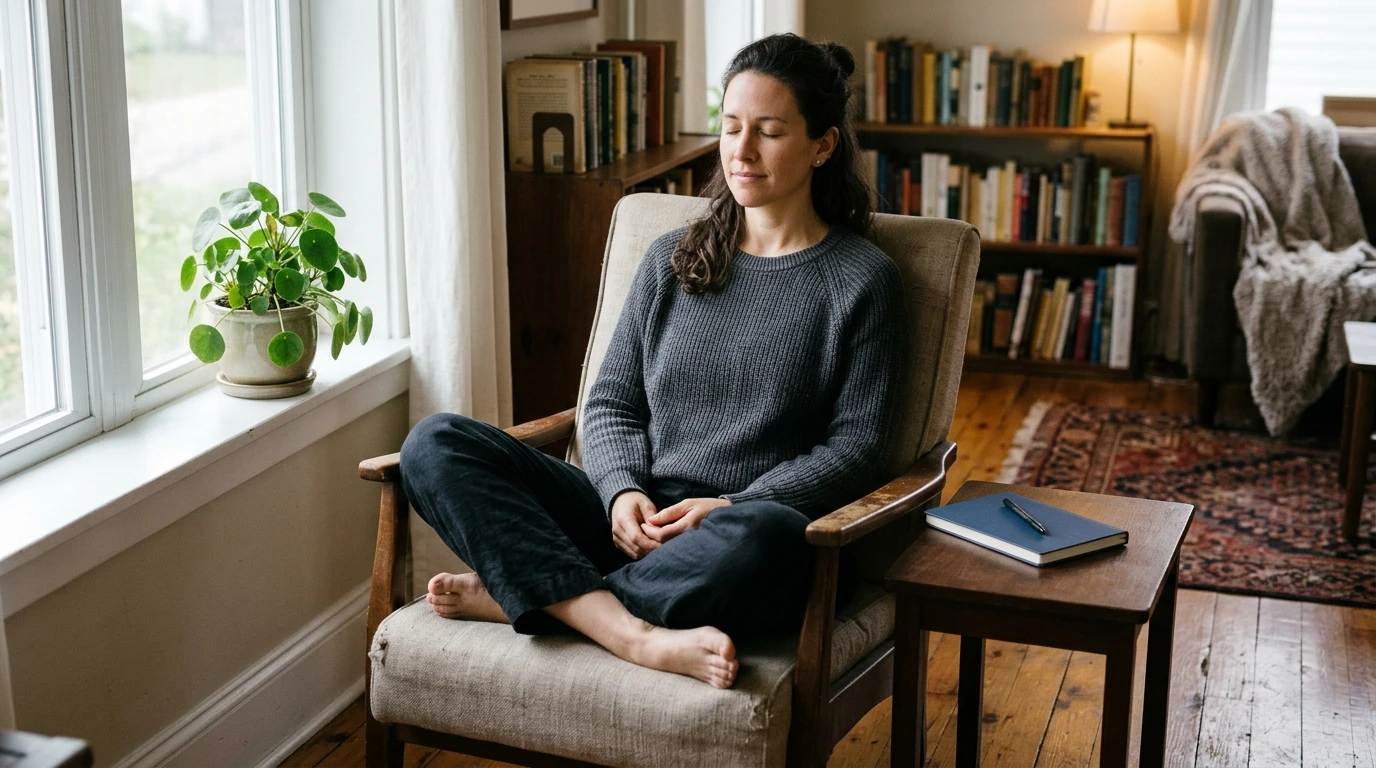
What immediately calms anxiety?
Slowing your breathing and grounding yourself in your surroundings can help calm anxiety in the moment. Relief may not be instant, but a few simple actions can help your body settle while the anxious feeling passes.
Start by placing both feet on the floor. Breathe in gently through your nose, then breathe out slowly without forcing it. Repeat for a minute or two. If focusing on your breathing makes you feel more anxious, shift your attention to something you can see or feel instead.
What can you do when anxiety suddenly rises?
Choose one small action rather than trying to do everything at once:
- Name what you notice: Look around and identify five things you can see, four you can feel, and three you can hear. Continue with smells and tastes if that feels helpful.
- Release tension: Unclench your jaw, lower your shoulders, and relax your hands.
- Change your surroundings: Step into a quieter space or take a short, comfortable walk.
- Connect with someone: Tell a trusted person that you are feeling anxious and ask them to stay with you or talk for a few minutes.
Remind yourself that an anxious feeling can rise and fall. You do not have to solve every problem while your body is on alert.
How can you make a calming routine easier to use?
Keep a short list of techniques somewhere you can reach when you need it. You might include a grounding prompt, a reminder to relax your shoulders, and the name of someone you can contact. Practicing when you feel relatively calm can make the routine easier to remember during a stressful moment.
For more ideas, explore our anxiety relief bundle guide. Our team recommends choosing tools that feel comfortable and easy for you to use, rather than expecting any single product to remove anxiety immediately.
If anxiety is frequent, difficult to manage, or interfering with daily life, consider speaking with a healthcare professional. If you have new or severe chest pain, trouble breathing, or another concerning physical symptom, seek urgent medical care rather than assuming anxiety is the cause.
FAQ
Can caffeine make anxiety worse?
Yes. Caffeine can increase feelings of nervousness or a racing heartbeat for some people, so reducing it may help you notice whether it affects your anxiety.








Leave a comment