What Does Cardio Strength Mean? A Beginner’s Guide
What does cardio strength mean?
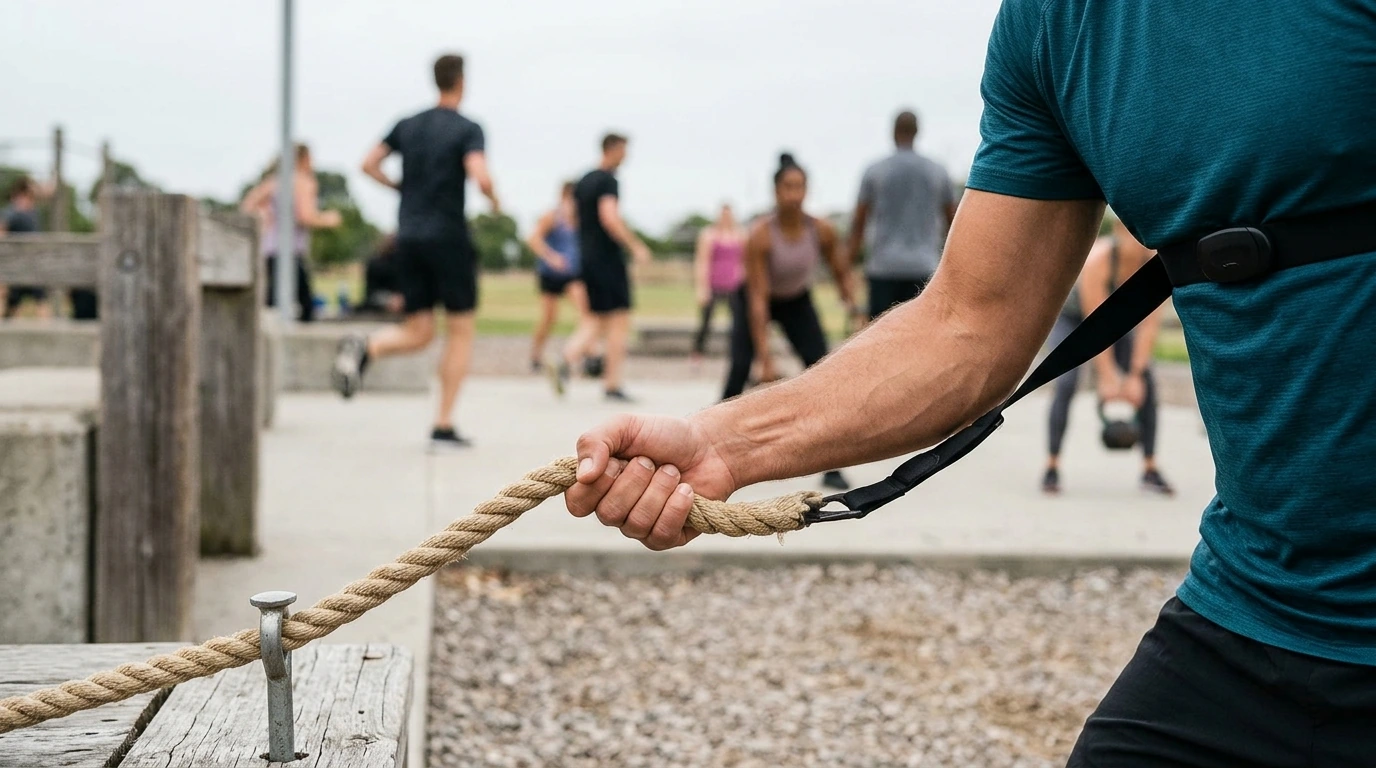
Cardio strength means training that challenges your heart and lungs while also working your muscles against resistance. It combines the benefits of cardiovascular exercise, such as brisk walking or cycling, with strength work, such as squats, rows, or presses. You can do both in one workout or include them separately in your weekly routine.
The phrase does not describe a single exercise or a specific fitness level. A circuit of bodyweight moves, a session alternating dumbbell exercises with short cardio intervals, and a week that includes both running and lifting can all combine cardio and strength.
How does cardio strength training work?
Cardio raises your breathing and heart rate as you move continuously. Strength training asks your muscles to work against a load, whether that load comes from your body weight, resistance bands, dumbbells, or a machine. When you pair the two, you can build endurance and muscular strength as part of a balanced routine.
The emphasis depends on how you train. Heavier resistance with longer rests generally gives you more opportunity to focus on strength. Lighter resistance, faster transitions, and shorter rests can make a workout feel more cardiovascular. Good form matters in either approach, so slow down or rest when you need to.
How can you get started?
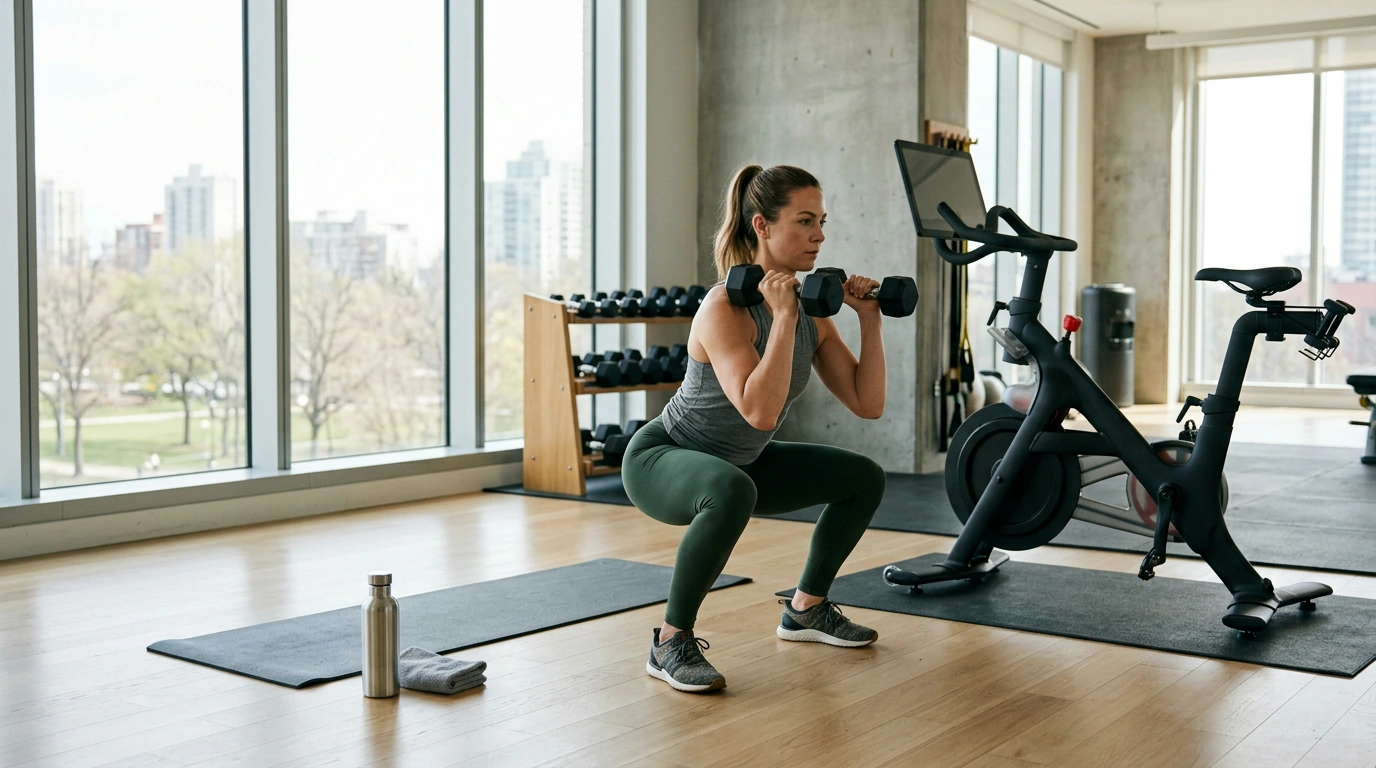
Our team recommends starting with movements you can control comfortably. Try a short circuit of chair squats, wall push-ups, and brisk marching, resting between exercises as needed. Begin with one or two rounds and gradually add time or resistance as the routine becomes manageable.
For home workouts, a comfortable pair of athletic shoes and a clear, stable floor are useful starting points. Resistance bands or light dumbbells can add variety, but they are not essential. Choose a band or weight that lets you complete each movement with control rather than forcing repetitions.
If you have a medical condition, an injury, or concerns about exercise, talk with a qualified healthcare professional before starting a new routine. Stop if you experience chest pain, dizziness, or unusual shortness of breath.
For more ways to plan your sessions, explore our guide to combining cardio and strength training.
FAQ
Should you do cardio before or after lifting weights?
Either order can work. If building strength is your priority, lift first after a gentle warm-up; if improving cardio performance is your priority, do your cardio first.











Leave a comment