Safe Space Mapping: Create Your Personal Support Map
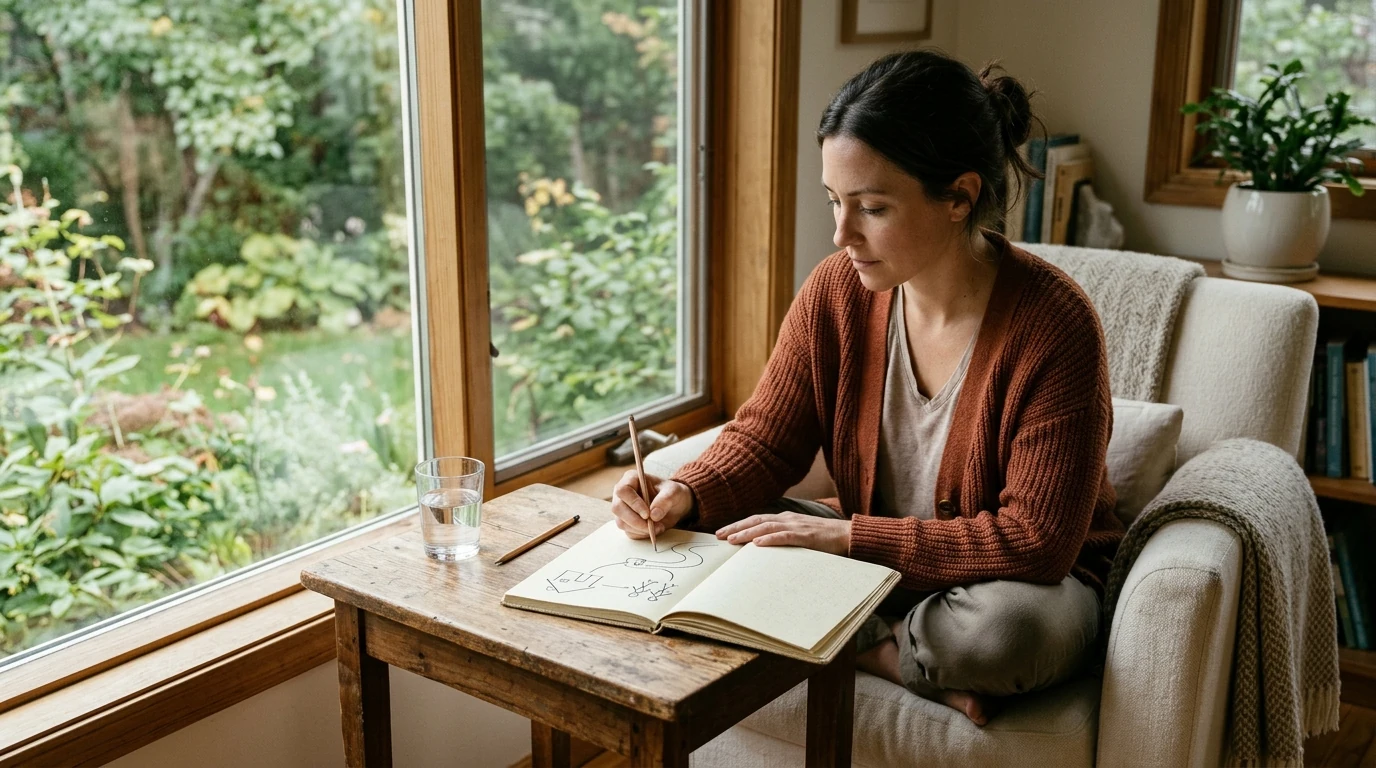
Some places and people make it easier to take a breath, gather your thoughts, or ask for help. Others may feel comfortable only at certain times. Safe space mapping is a personal way to notice the resources you can turn to and consider how they fit into your life.
You don’t need a perfect plan or a special drawing to begin. A few notes about where you feel more at ease, whom you trust, and what helps you settle can give you a useful starting point. Our digital ebook, A Guide to Safe Space Mapping, offers another way to explore understanding, creating, and using safe spaces at your own pace.
What Is Safe Space Mapping?
A safe space can be a physical place, such as a quiet room or a familiar outdoor spot. It can also be a supportive relationship or a routine that helps you feel more at ease. For example, talking with someone who listens without judgment or taking a short walk may be part of your personal map.
Mapping means identifying those options and thinking about when they might be useful. You might note where you can go for privacy, whom you can contact when you need to talk, or which activities help you pause during a stressful day. Putting these choices in one place can make them easier to remember when you feel overwhelmed.
Comfort and safety are personal, and they can change. A place that feels welcoming today may not feel the same in different circumstances. A map is a reflection tool, not a guarantee that any location, relationship, or routine will always be safe.
Start With the Spaces and Supports You Know
Begin by listing a few places, people, and activities that feel supportive to you. Your list can be short, and you don’t have to share it with anyone. If an option feels uncertain, you can leave it off or make a note to consider it later.
Think about practical details as well as how each option feels. Is a space accessible to you? Is it private enough for what you need? Consider the noise level, transportation, time of day, and whether someone is available to offer support. A quiet library, for instance, may work well for reflection but not for a private phone call.
The examples below are a starting point for your own thinking; they are not a description of the ebook’s contents.
| Type | Example | Question to consider |
|---|---|---|
| Place | A quiet corner at home | Can I use it when I need it? |
| Person | A trusted friend | How can I reach them? |
| Routine | A short walk | Does this help me feel more grounded? |
Create and Use a Map That Fits Your Life
Your map might be a page in a notebook, a simple sketch, or a secure note on your phone. Choose a format you can find and use comfortably. For each option, write down what it offers and when it is available. You might label a friend as someone you can text in the evening or identify a community space that is open during the day.
Consider boundaries, too. You may want a place where you can be alone, a person who respects your privacy, or a routine that doesn’t require you to explain yourself. It’s also reasonable to ask a trusted person when and how they prefer to be contacted rather than assuming they are always available.
Add at least one backup where possible. If your preferred room is occupied, could you visit another familiar location? If a friend cannot respond, is there another person or service you could contact? A backup does not need to meet every need; it simply gives you another choice to consider.
Revisit your map when your schedule, relationships, access, or needs change. Remove options that no longer feel supportive and add new ones as you find them. Keep private information secure, especially if your notes include contact details or sensitive locations.
If you are in immediate danger, contact local emergency services or another appropriate urgent support rather than relying on a map alone. For crisis support in the United States, the 988 Suicide & Crisis Lifeline is available by call, text, or online chat. You can also explore general mental health information from SAMHSA.
Explore A Guide to Safe Space Mapping
If you want to spend more time with the topic, our A Guide to Safe Space Mapping is a digital ebook focused on understanding, creating, and using safe spaces. It is an option for exploring these ideas at your own pace, whether you are starting a map or reconsidering the supports you already use.
The listed price is $16.99. Price and availability may change.
Pair Your Map With Other Supportive Tools
Your map can stand on its own, but other resources may be useful for particular situations. If you are considering emotional safety and boundaries while dating, our Mindful Dating Red-Flag Checklist is an optional related resource.
For a separate resource focused on stress-relief techniques, explore Break the Tension: Stress Relief Techniques. Neither resource replaces professional care or emergency support. Our team encourages you to choose the tools and support that suit your circumstances.
FAQ
Does a safe space have to be a physical place?
No. A trusted person or a supportive routine may also be part of your map, depending on what feels helpful to you.
How often should I update my safe space map?
There is no fixed schedule. Review your map when your circumstances, relationships, or needs change.
Is the safe space mapping guide a substitute for professional support?
No. The guide can support personal reflection, but it does not replace professional care or emergency help.











Leave a comment