The Anxiety Relief Bundle: A Gentle Path to Calm
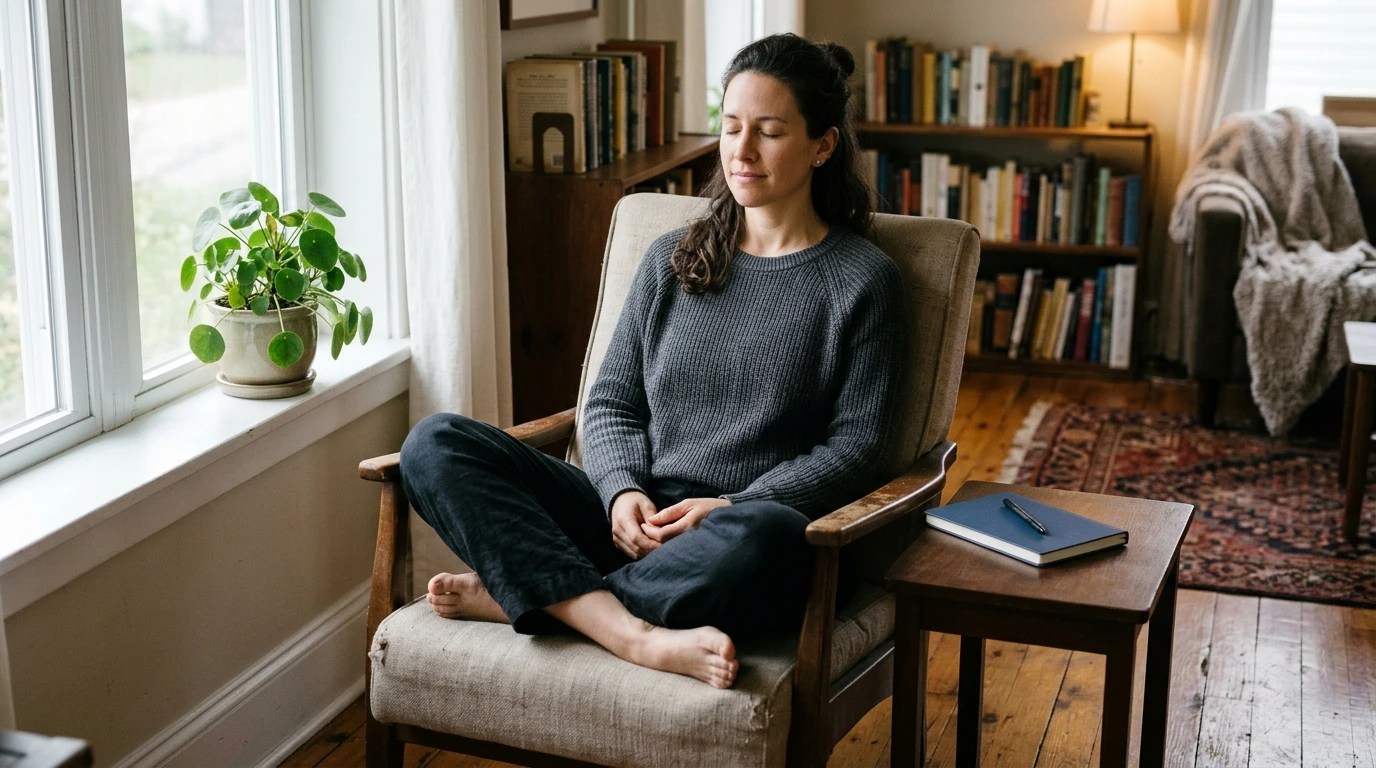
Finding a moment of calm doesn’t have to mean overhauling your day. Sometimes it starts with noticing where you are, giving a difficult thought a little space, or choosing one small practice you can return to when you need it.
We created this guide to help you explore The Anxiety Relief Bundle as a collection of resources for mindfulness and thoughtful reflection. Calm is a practice, not a promise, and you can approach it at a pace that feels comfortable for you.
What’s Inside the 4-in-1 Bundle
The bundle brings together mindfulness exercises, a positive-thinking resource, a printable checklist, and a course outline. Each component offers a different way to engage: you might begin with a pause, reflect on a thought, or use a practical reminder to make space for a routine.
The bundle is listed at $106.99. Explore the product page to decide whether its combination of resources suits the kind of support you’re looking for.
A Quick Look at the Bundle
| Component | How it may support a routine |
|---|---|
| Mindfulness exercises | Offer opportunities to pause and notice the present moment. |
| Positive thinking | Encourages a more balanced, compassionate perspective. |
| Printable checklist | Provides a practical reference for keeping a routine visible. |
| Course outline | Offers a framework for exploring the topic. |
Make Space for a Mindful Pause
When your day feels crowded, a few quiet minutes can give you an opportunity to check in with yourself. Choose a mindfulness exercise that feels comfortable, and let the time be an invitation to notice rather than a task to perfect.
For a simple grounding practice, notice the feeling of your feet on the floor. You might then gently turn your attention to your surroundings: the colors you can see, the sounds you can hear, or the support of the chair beneath you. There’s no need to force yourself to feel different.
If an exercise feels uncomfortable, you can stop, take a break, or try another approach. Your comfort matters more than completing a practice.
Practice Positive Thinking Without Pressure
Positive thinking doesn’t have to mean insisting that everything is fine. A balanced perspective leaves room for difficult feelings while making space for other possibilities. You can acknowledge that something feels hard without treating every anxious prediction as a certainty.
For example, if you notice the thought “I won’t be able to handle this,” you might consider a kinder, realistic alternative: “This feels challenging, and I can take it one step at a time.” The alternative doesn’t erase the challenge; it simply offers another way to meet it.
The goal is to make room for perspective, not to guarantee a change in mood. Some days, recognizing that you’re having a hard time may be enough.
Build a Routine That Fits Your Day
A useful routine can be simple and flexible. You might keep the printable checklist somewhere visible as a reminder, then use the course outline to guide your exploration of topics at a comfortable pace. You don’t need to work through everything at once.
Here’s one way to structure a day:
- Morning: Take a brief pause and notice how you’re feeling before moving into your day.
- During the day: Check in with your surroundings or revisit a thought that has been weighing on you.
- Evening: Reflect on what felt helpful, even if the answer is simply taking a break.
Treat the checklist as a guide, not another obligation. If your schedule changes or a practice isn’t helpful today, you can adjust it. A routine that fits your life is more useful than one you feel pressured to follow perfectly.
When to Seek More Support
Self-help resources are not a substitute for professional mental health care. If anxiety persists, worsens, or interferes with daily life, consider contacting a qualified mental health professional or health care provider. They can help you explore support suited to your circumstances.
The National Institute of Mental Health’s guide to anxiety disorders offers more information about symptoms and treatment. If you or someone else is in immediate danger, contact local emergency services or a crisis support service.
Explore More Stress-Relief Resources
If you’d like to explore additional approaches, Break the Tension: Stress Relief Techniques is a related resource covering breathing, grounding, and stress-management techniques. For another approachable breathing reference, the NHS offers guidance on breathing exercises for stress.
Our team invites you to explore the Anxiety Relief Bundle and choose one small starting point. Whether that’s a mindful pause or a moment of reflection, you can begin wherever feels manageable.
FAQ
What immediately calms anxiety?
No technique works immediately for everyone. You can try gently noticing your surroundings or taking slow, comfortable breaths; stop if a technique makes you feel worse.
Who might find the Anxiety Relief Bundle useful?
It may be an option if you’re looking for structured self-help resources and gentle mindfulness prompts. Your experience will depend on your needs and the practices that feel helpful to you.
Can the bundle replace therapy?
No. The bundle may complement other forms of support, but it is not a substitute for individualized care from a qualified professional.










Leave a comment